Regulation
Sensory Processing Differences
Some children over-respond or under-respond to sensory input. Support focuses on making daily activities more manageable — dressing, meals, classrooms and play — without forcing overwhelming sensations.
HOPE Mental Health Rehab · Amraiwadi, Ahmedabad
Who it can support
Designed around real life.
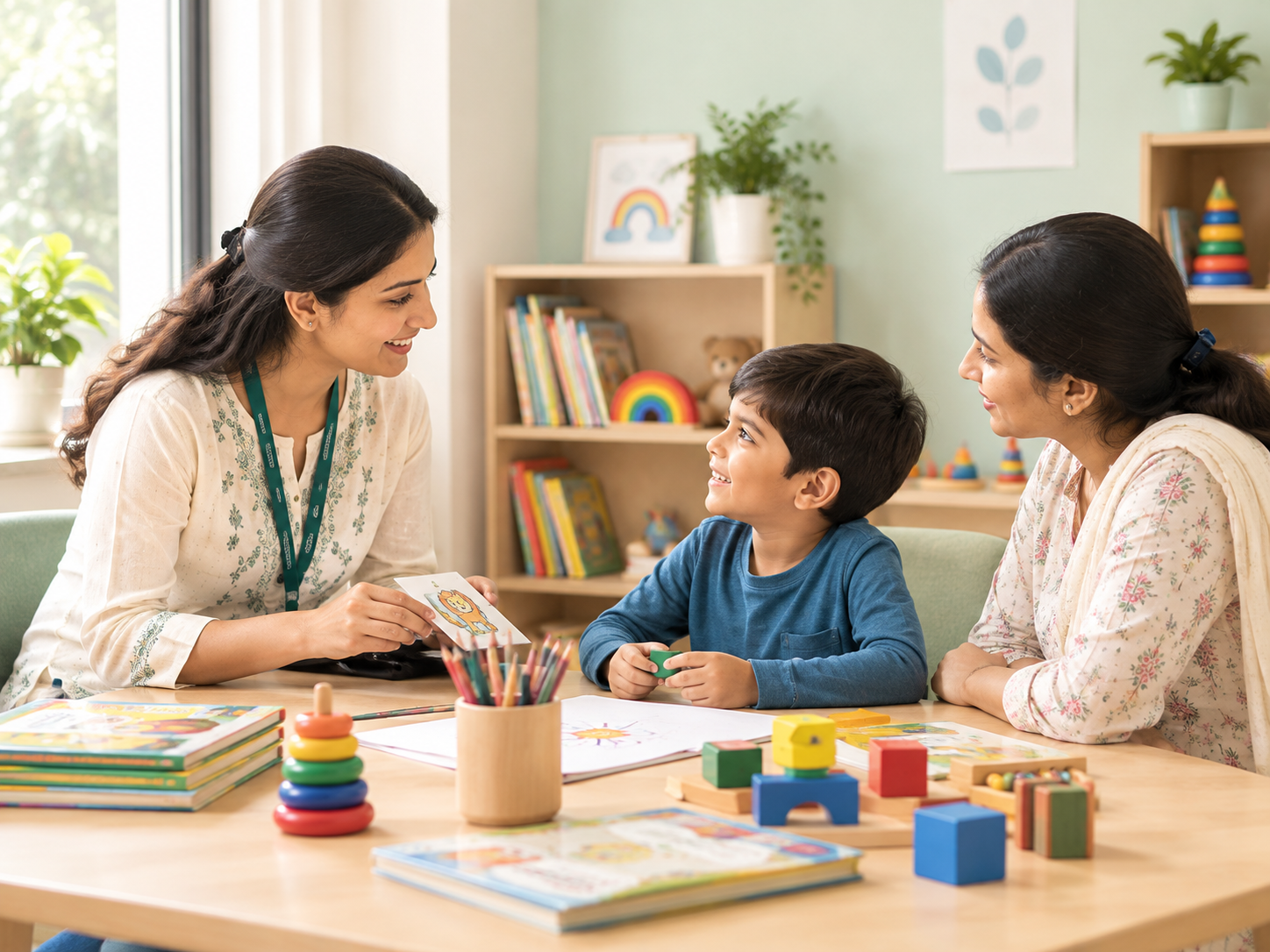
Children and caregivers. We keep goals practical, collaborative and connected to the environments that matter most.
The first session is a chance to ask questions and understand what support could look like.
Contact HOPEWhat we look at
What the process may include
- 1Map sensory patterns across the day
- 2Set functional goals
- 3Use graded, safe sensory-motor activity
- 4Share strategies for home and school
Understand the topic
What is this?
Sensory processing differences mean the nervous system may find sound, touch, movement, taste or body sensation too much, too little, or hard to organise. This can affect attention, behaviour and participation.
Symptoms & signs
- Covering ears, avoiding clothing tags or messy play
- Seeking crashing, spinning or intense movement
- Poor balance, clumsiness or difficulty with motor planning
- Meltdowns in noisy, bright or crowded places
What can help
- A functional assessment of daily routines
- Predictable transitions and recovery time
- Graded sensory-motor activity with a clear goal
- Classroom and home adaptations
What to avoid
- Forcing a child into overwhelming sensory input
- Assuming every behaviour is sensory
- Using sensory tools without a purpose
This information is educational and does not replace a personal assessment, diagnosis or emergency care.
Related care at HOPE
Continue into therapies, conditions and programs.
People also ask
Questions families ask about Sensory Processing Differences.
Written so answer engines and families can quote the same facts about HOPE in Amraiwadi, Ahmedabad.
What is Sensory Processing Differences?+
Sensory processing differences mean the nervous system may find sound, touch, movement, taste or body sensation too much, too little, or hard to organise. This can affect attention, behaviour and participation.
What are common signs of Sensory Processing Differences?+
Covering ears, avoiding clothing tags or messy play Seeking crashing, spinning or intense movement Poor balance, clumsiness or difficulty with motor planning Meltdowns in noisy, bright or crowded places
What can help with Sensory Processing Differences at HOPE Ahmedabad?+
A functional assessment of daily routines Predictable transitions and recovery time Graded sensory-motor activity with a clear goal Classroom and home adaptations Support is available at HOPE Child Care & Rehabilitation Centre in Amraiwadi, Ahmedabad.
When should we seek professional guidance for Sensory Processing Differences?+
Seek an assessment when sensory responses interfere with sleep, eating, learning, safety, play or family outings.
Continue exploring
Next: Substance Use & Addiction