Child psychology
Anger Management for Kids: Understanding Big Feelings Without Shame
Learn how anger can show up in children, why it is a signal rather than a flaw, and how adults can help kids learn safer ways to express emotion.
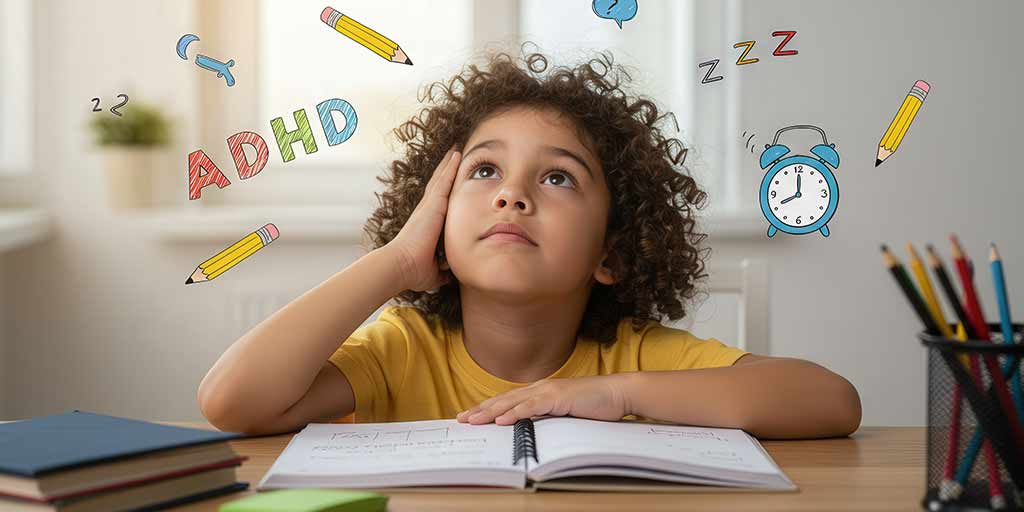
This article shares general educational information, not a diagnosis or personalised clinical advice. A qualified professional can help you understand your child’s individual needs.
Anger is often a secondary emotion
Children may show anger when they feel hurt, scared, disappointed, left out or overwhelmed. It can be easier for a child to express anger than sadness or vulnerability, especially when they are not yet able to explain what is really going on.
When adults respond with shame or punishment alone, the child may learn to hide feelings rather than understand them. A better approach is to help them notice the feeling and the need beneath it.
What helps in the moment
Calm, consistent support is more effective than long lectures. Adults can model breathing, create space, and help the child find a safe way to release energy or express their feelings. Boundaries remain important, but they are most effective when paired with emotional coaching.
Longer-term skill-building
Children learn anger regulation through repetition, connection and coaching. Over time, they can identify triggers, use calming strategies and practice repair after discharge of emotion. These are practical life skills that support emotional maturity.
Would a conversation help?
If you have questions about your child’s development or wellbeing, HOPE’s team can help you discuss possible next steps in Ahmedabad.
Contact HOPE